
Colleges & Universities
Together we change lives by putting learning into action.
Learn how TWC can serve as the bridge between your institution and your students' careers.
An Extension of Your Campus
Our partners are able to expand the reach of their campus and curriculum, offering their students access and opportunities they just can't get on campus.
Applied Liberal Arts
With so much focus on career preparation, schools are under increasing pressure to deliver 'practical' value. Our customized internships and academic programming provide real world experience. Students put their classroom learning to work and get connected to invaluable professional networks.
Internship Placement
We don't fill slots or leave students on their own to find an internship. We take great care to advise students and connect them with opportunities that align with their individual interests, skills and goals. We partner with 400+ employers in a variety of industries, and all of the organizations we work with have signed a Partnership Agreement, which means students will be doing real work designed to help them build a strong foundation for their careers.
Intentional Mentorship
We don't just send students off to work and provide a place to stay. We choose and train internship site supervisors to be mindful of both the educational and professional development our student interns need. That care and support extends to life after hours. Our LEAD Instructors are available for individual counseling sessions to help students reach their full personal and professional potential.
A Broad Community
Most experiential learning programs focus on one thing, like study abroad, internships, cultural exchange or volunteer opportunities. We offer all of these in one personalized educational experience where student interns live, work and learn in an intentional, global community. Our alumni return to campus or home better informed, more globally minded, and professionally equipped to pursue successful careers—usually at a cost similar to a study abroad program or a semester at their school.
International Prestige
We understand coming to Washington, D.C. is a big investment. However, the quality and quantity of opportunities for engaging with world-renowned organizations here are unlike anywhere else on the planet. As the largest, most established internship program of its kind, we have the infrastructure and connections to make the experience the best investment students make in their future career.
The Washington Center helps colleges and universities deliver on their promise to prepare students for life by providing career guidance in the context of a real world experience. We partner with more than 500 colleges and universities around the globe to help students explore and discern their career paths.
Students benefit most when the internship integrates what they are doing with other experiences, on and off the campus. No organization does this better than TWC.
George D. Kuh
Founding Director, Senior Scholar and Co-principal Investigator at the National Institute for Learning Outcomes Assessment

Related Stories
View All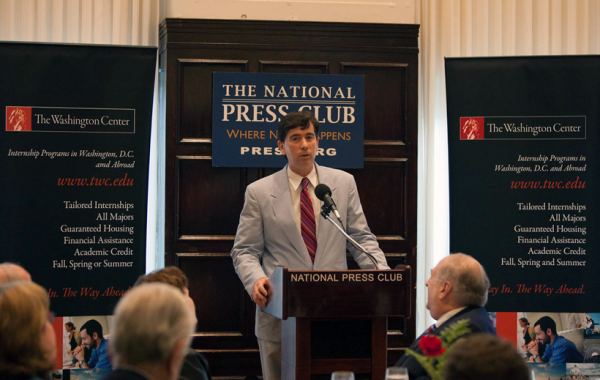
Monmouth Liaison, A TWC Alumnus, Sees Both Ends of TWC's Powerful Impact
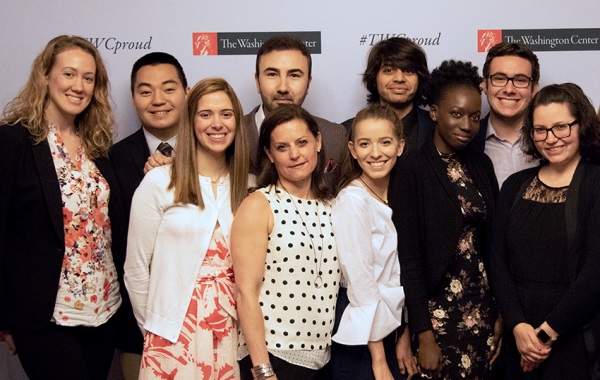
The Value of Being a TWC Partner

Stockton Liaison Describes His Commitment to Offering Students Immersive Internship Experiences
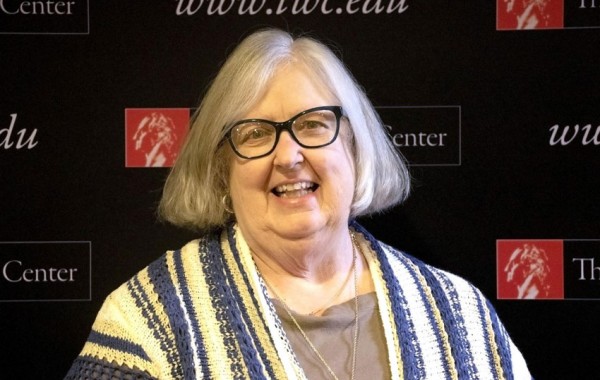
Why I Keep Coming Back to TWC Seminars
Resources for Current Partners
We value your hard work and dedication, and we want to give you all the tools you need to make your TWC recruitment efforts as easy as possible.
Please visit our Liaison Resources page to find our academic calendar, email and social media templates, a sample internship site list and more to help you spread the word about TWC on your campus! If you have questions or need additional resources, contact info@twc.edu.
Related Resources:

Digital Program Guide
Digital guide detailing the components and value of the Academic Internship Program.
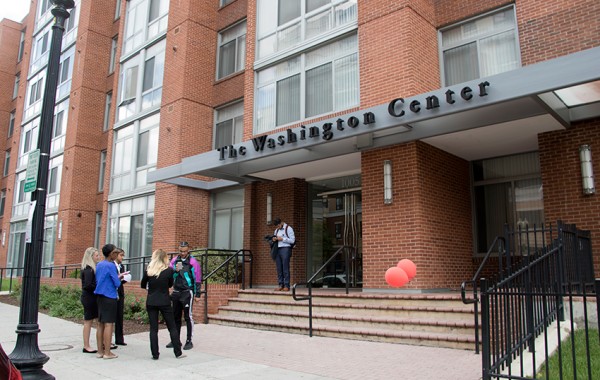
TWC Promotional Photos
Images and logos you can use to promote The Washington Center on your campus.

Sample Internship Sites
List of internship sites by interest area that host interns in the Academic Internship Program.

Academic Course Guide
The Washington Center for Internships and Academic Seminars is pleased to offer the courses described in this Course Guide for...